

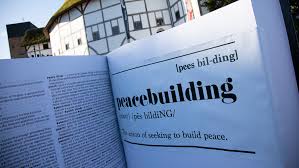
In the heart of central Somalia lies the state of Galmudug, a region that has weathered decades of conflict, political fragmentation, and shifting alliances. As with much of Somalia, Galmudug’s pursuit of lasting stability and prosperity has been fraught with challenges rooted in clan disputes, resource competition, and lingering distrust. Yet today, promising initiatives rooted in grassroots peacebuilding, social cohesion, and inclusive governance are taking hold. At the forefront of these efforts stands the Dayah Organization, a local Somali-led NGO dedicated to cultivating a peaceful, resilient, and prosperous future for the region.
A Landscape Defined by Complexity and Scarcity
Galmudug’s strategic location—sitting at the crossroads of multiple clans and sub-clans—has long made it a focal point of Somalia’s larger political contestations. Historical grievances have resurfaced time and again, limiting the region’s ability to move forward. However, the impact of these conflicts is not confined to the political sphere alone. The ongoing tensions have exacerbated environmental hardships, particularly among pastoralist communities that form the backbone of the rural economy.
Somalia, including Galmudug, faces recurrent droughts. Pastoralists traditionally depend on mobility and seasonal migration to find new pastures. Yet where long-standing clan rifts and territorial tensions exist, this vital movement is curtailed. With grazing routes blocked by fear of confrontation or violence, droughts have hit these communities even harder. Livestock, the primary asset of many families, cannot be easily moved to greener areas, leading to increased mortality of herds, food insecurity, and even migration to crowded urban centers where livelihoods are uncertain. Thus, conflict has not only undermined social cohesion but also eroded the ability of communities to adapt to environmental stressors—transforming a natural challenge into a human tragedy.
A Homegrown Approach to Peacebuilding
As international peacekeepers and humanitarian agencies strive to foster stability, local actors carry insights no external stakeholder can replicate. Indigenous organizations understand local cultural nuances, historical grievances, and environmental pressures. This local lens can make all the difference in designing effective interventions—ones that resonate on a personal level with those most impacted.
Dayah Organization exemplifies the power and promise of a grassroots approach. Its team of dedicated Somali professionals and community volunteers works closely with local stakeholders to promote sustainable peace, strengthen governance, and address the underlying socioeconomic conditions that spark conflict and intensify the effects of drought. Their initiatives aim not only to quiet violence but also to restore mobility, enhance resource-sharing mechanisms, and help pastoralist communities rebuild resilience against environmental shocks.
Dayah Organization’s Key Initiatives
- Mediation and Dialogue Facilitation: Dayah Organization hosts inclusive forums that bring together clan elders, religious leaders, women’s representatives, youth advocates, and local authorities. By creating a safe environment for open dialogue, Dayah helps communities articulate grievances and reach consensus on critical issues—such as resource-sharing during drought periods. These mediated sessions can help restore trust and allow pastoralists to navigate traditional grazing routes, reducing tensions over scarce resources.
- Youth Empowerment and Education: Recognizing that sustainable peace lies in the hands of the next generation, Dayah invests in young people. Training programs on conflict resolution, entrepreneurship, and environmental stewardship empower youth to break the cycle of violence. By understanding the importance of cooperation in times of drought and scarcity, these young leaders can help ensure that pastoral communities can safely move and adapt, rather than being trapped by fear and hostility.
- Women’s Leadership and Inclusion: In a landscape often dominated by male decision-makers, Dayah champions women’s leadership. Women often bear the brunt of conflict and drought-induced hardship. By ensuring that women’s perspectives shape peacebuilding strategies, Dayah ensures that solutions address household-level resource management, childcare, nutrition, and the careful allocation of scarce water and grazing lands. Women’s inclusion brings about more equitable and sustainable resource-sharing agreements that serve entire communities.
- Capacity Building for Local Governance: Good governance is essential for managing scarce resources fairly. Dayah partners with emerging local administrations in Galmudug to enhance transparency, accountability, and equitable service delivery. By strengthening institutions, Dayah helps ensure that grievances—such as those over grazing routes—are addressed before they erupt into open conflict. When leaders are seen as fair and responsive, communities are more willing to cooperate and adhere to resource allocation guidelines that mitigate the impact of drought.
Navigating a Challenging Path
The journey to durable peace in Galmudug—indeed, in all of Somalia—is complex. Legacies of conflict run deep, and restoring faith in public institutions will not happen overnight. Yet as peace dialogues gain momentum and community members learn to trust one another again, there is an opportunity to address not only the political but also the environmental challenges that have long plagued the region. Reducing hostilities paves the way for pastoralist mobility, allowing people to find adequate grazing land, sustain their livelihoods, and weather droughts without resorting to conflict.
Why Dayah Offers Hope
What sets Dayah Organization apart is its holistic approach: tending to immediate reconciliation needs while steadily building the social, educational, and governance frameworks that make peace last. By integrating conflict resolution with livelihood support, resource management training, and inclusive decision-making, Dayah ensures that peace is not simply the absence of violence, but the presence of resilience.
Through every workshop, dialogue session, and community forum, Dayah lays another brick in the foundation of a stronger, more unified Galmudug—one capable of handling natural challenges like drought without reverting to strife. As trust between clans is restored and local governance gains legitimacy, pastoral communities can once again roam freely, mitigating the worst effects of environmental shocks and ensuring that generations to come can thrive on their ancestral lands.
Conclusion
In a region long defined by conflicts and environmental hardships, the narrative is slowly shifting. Where uncertainty and fear once reigned, the seeds of trust, cooperation, and sustainable resource management are taking root. Dayah Organization’s holistic approach—blending conflict resolution with capacity building, environmental resilience strategies, and community empowerment—offers a model for other Somali regions seeking their own paths to stability.
Galmudug’s journey toward peace and resilience is far from over. Yet as the milestones accumulate and the dividends of reconciliation become clearer, one truth stands out: Local, community-driven initiatives like Dayah’s are not just short-term interventions. They are the architects of a more secure and sustainable future. By healing old wounds, fostering dialogue, and helping communities adapt to environmental challenges, Dayah Organization provides a beacon of hope—an inspiring testament to what can be achieved when a community is united in purpose and resilient in the face of adversity.


