

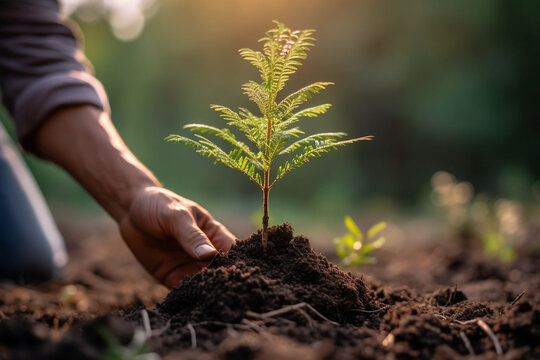
The delicate balance between climate and environment is one of the most pressing concerns of our time. As global temperatures rise and environmental degradation accelerates, it is crucial to grasp the complex relationship between these two factors and their broader implications. This post delves into the scientific understanding of climate and environment, the challenges they face, and the pathways to a sustainable future.
What is Climate?
In scientific terms, climate refers to the long-term patterns and averages of weather conditions in a given area, typically over decades or centuries. Unlike weather, which is short-term and variable, climate encapsulates the overall conditions in a particular region, including temperature, precipitation, and wind patterns. The study of climate, known as climatology, has become increasingly vital as human activities continue to influence these patterns, leading to significant shifts in global climate systems.
What is the Environment?
The environment is the complex, interrelated system of natural and human-made elements that surrounds us. It encompasses air, water, soil, ecosystems, and living organisms, along with the influence of human activities. Environmental science examines the interaction between the natural world and human actions, focusing on how we can mitigate negative impacts and create a sustainable future. This includes everything from pollution and biodiversity loss to resource management and conservation efforts.
The Interconnectedness of Climate and Environment
Climate and environment are intricately connected, and changes in one can lead to profound effects on the other. The environment, in turn, plays a crucial role in regulating the climate. For example, forests, oceans, and wetlands act as carbon sinks, absorbing carbon dioxide and mitigating the impacts of global warming. However, deforestation, industrial activity, and other human-driven actions have disrupted these processes, amplifying climate change.
Conversely, shifts in climate patterns—such as rising temperatures, erratic weather, and more frequent natural disasters—can exacerbate environmental degradation. For instance, increased temperatures can lead to desertification, which depletes arable land and reduces biodiversity, while rising sea levels threaten coastal ecosystems and human settlements.
The Challenges Faced by Climate and the Environment
1. Global Warming and Rising Temperatures
One of the most immediate challenges is global warming, driven primarily by human activities such as burning fossil fuels, deforestation, and industrial agriculture. These actions release greenhouse gases (GHGs), particularly carbon dioxide (CO2), methane (CH4), and nitrous oxide (N2O), into the atmosphere. These gases trap heat, leading to the gradual warming of the planet.
Rising temperatures have led to more frequent and intense heatwaves, changes in precipitation patterns, and the melting of polar ice caps. This warming also contributes to more extreme weather events, such as hurricanes, floods, and droughts, which have significant consequences for both natural ecosystems and human societies.
2. Biodiversity Loss
The degradation of ecosystems and habitats due to climate change, pollution, and land-use changes is driving unprecedented levels of biodiversity loss. Species extinction rates are accelerating, and ecosystems are being disrupted, affecting everything from pollination and food production to water filtration and soil health. This loss of biodiversity diminishes the resilience of the environment, making it more difficult to recover from disturbances such as storms, floods, or droughts.
3. Pollution
Pollution in its many forms—air, water, and soil—continues to be a significant environmental threat. Industrial emissions, plastic waste, agricultural runoff, and chemical pollutants degrade ecosystems, contaminate water sources, and harm human health. Climate change further exacerbates pollution by affecting atmospheric circulation patterns, leading to the spread of pollutants over wider areas.
4. Resource Depletion
The overconsumption of natural resources, such as freshwater, forests, and fossil fuels, is a critical environmental issue. Overfishing, deforestation, and soil degradation are contributing to the depletion of resources that are essential for life on Earth. These activities not only harm the environment but also pose a threat to food security, economic stability, and social well-being.
Pathways to Sustainability: Addressing Climate and Environmental Challenges
While the challenges are vast, there are numerous strategies and solutions to address the interconnected issues of climate change and environmental degradation. Here are some key pathways to sustainability:
1. Renewable Energy Transition
Shifting from fossil fuels to renewable energy sources—such as wind, solar, and hydroelectric power—is one of the most effective ways to reduce greenhouse gas emissions and mitigate climate change. The transition to renewable energy can help decarbonize industries, reduce pollution, and promote energy security.
2. Sustainable Agriculture
Adopting sustainable farming practices, such as agroforestry, no-till farming, and crop rotation, can help reduce the environmental impact of agriculture. These methods promote soil health, conserve water, and reduce greenhouse gas emissions while ensuring food security.
3. Reforestation and Conservation
Preserving and restoring forests and other vital ecosystems is crucial for sequestering carbon, protecting biodiversity, and maintaining ecosystem services. Large-scale reforestation projects, along with the protection of existing natural areas, are essential to combating climate change and supporting environmental resilience.
4. Circular Economy
A circular economy focuses on reducing waste, reusing materials, and recycling products to minimize environmental impact. By adopting a circular economy approach, we can reduce resource consumption, limit pollution, and create sustainable industries.
5. Policy and Global Cooperation
Governments, businesses, and individuals must work together to create and enforce policies that support climate action and environmental protection. Global agreements such as the Paris Agreement on climate change are vital for fostering international collaboration and setting emissions reduction targets. At the same time, local and national policies play a critical role in supporting sustainability initiatives, such as carbon pricing, conservation programs, and sustainable development goals.
Conclusion
The relationship between climate and environment is one of profound importance and complexity. Climate change and environmental degradation are not isolated issues; they are deeply intertwined and must be addressed in tandem. By adopting sustainable practices, supporting innovative solutions, and fostering global cooperation, we can create a resilient and thriving planet for future generations. The time to act is now—our collective actions today will determine the world we leave for tomorrow.


